Live in under 4 weeks.

Not a phased program. Not a consulting engagement.
A real production deployment of demand, inventory, supply, and scheduling  all running in less than a month.

Most planning software promises this. We actually do it. Here's exactly how.

Why it's faster

The legacy APS timeline isn't a law of physics. It's the consequence of specific work patterns custom code, sequential phases, manual data wrangling, consultant dependency. Horizon eliminates all four.
AI handles the boring work
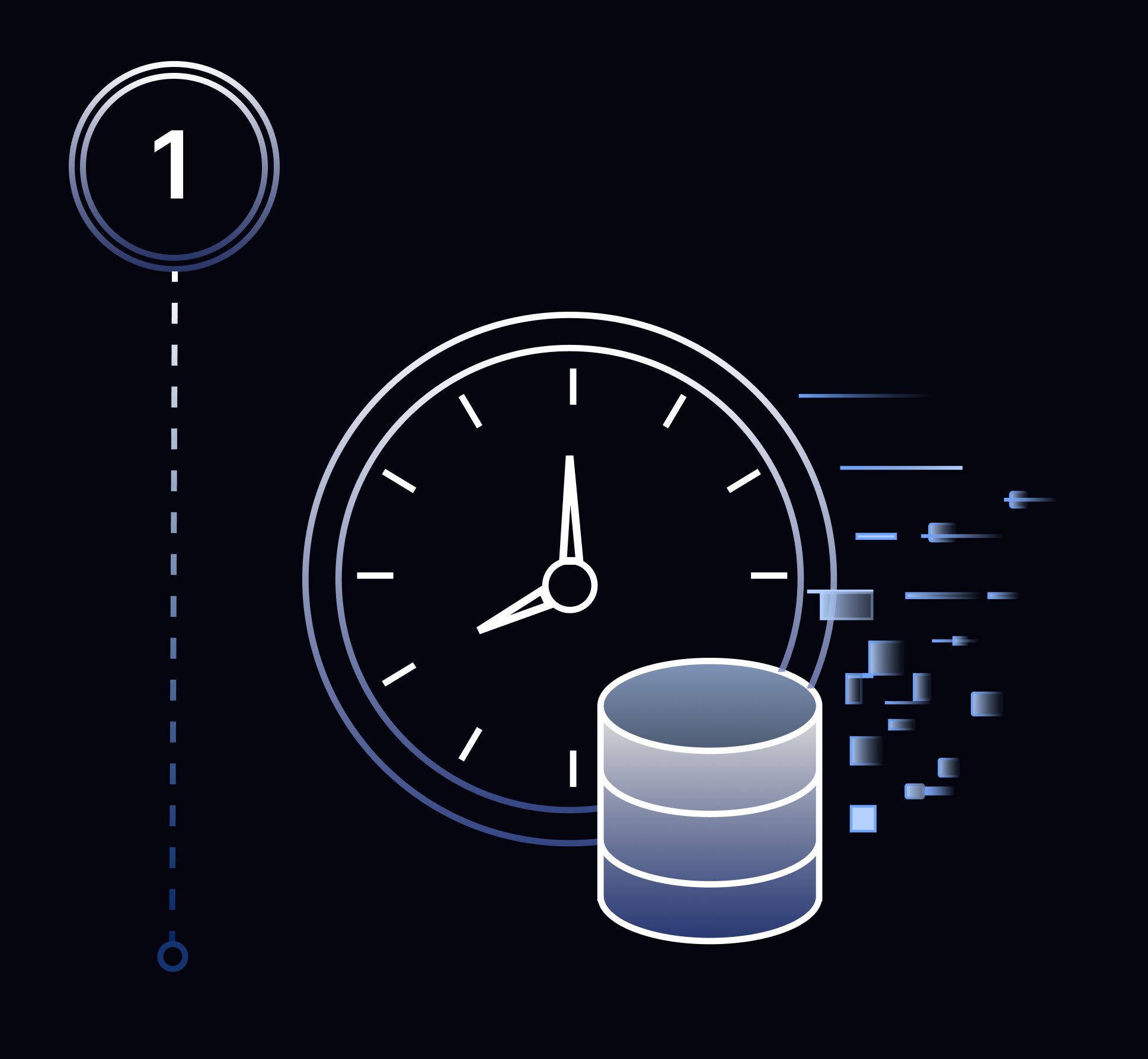
Data transformation runs in hours, not weeks
Master data cleanup, BOM reconciliation, unit-of-measure conversion, customer hierarchy mapping  the work that consumes the first month of every traditional APS project  runs through AI agents in hours. Our team reviews outputs, you don't pay consultants to clean spreadsheets.
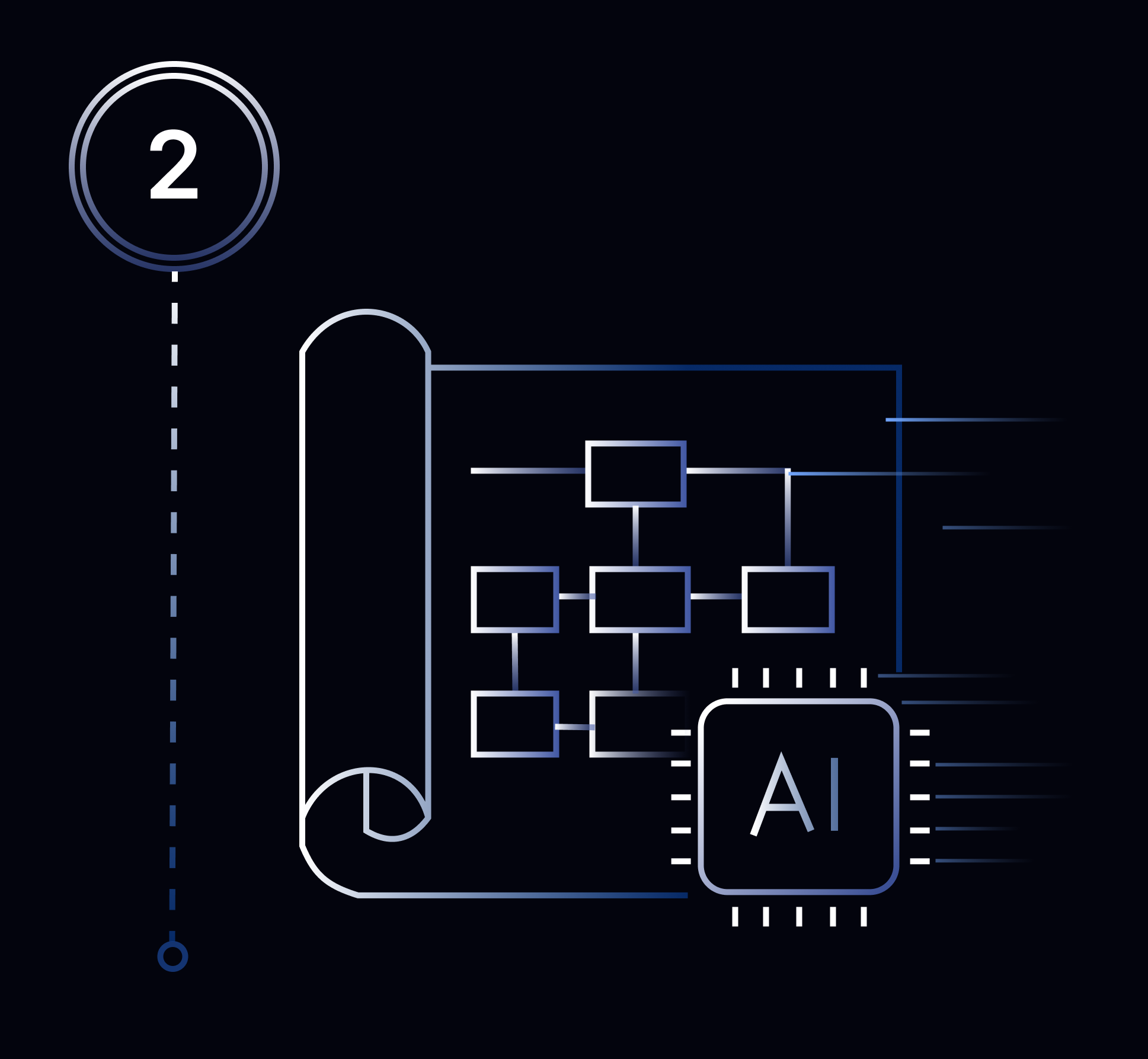
Async blueprinting
Your team blueprints in their own time, with AI
The traditional 2-week discovery phase happens before kickoff. An AI-driven blueprinting tool walks your planning team through their process capturing hierarchies, segmentation logic, overlays, and exception patterns  in 90 minutes spread across whenever they have time. We arrive at week 1 with a working configuration draft.
Parallel, not phased
All modules deploy at the same time
Legacy APS does demand planning, then inventory, then supply, then scheduling. Sequential. Adds up to 18 months. Horizon's unified data model lets demand, inventory, supply, and scheduling deploy in parallel from week 1 because they share the same data, not a federation of integrations.
Modern compute, modern math
Model runs in minutes, not overnight
Forecasting and optimization for a 5,000-SKU portfolio with multi-echelon math runs in 4-8 minutes on Horizon's stack. Legacy systems take overnight batches. The difference compresses iteration: your planners can re-run the model 10 times during a configuration session, not once a day.
Before Week 1

Your project starts before kickoff

Two things happen between signature and Week 1, and neither requires a meeting. First, the pre-onboarding questionnaire captures your ERP version, planning hierarchy, SKU portfolio characteristics, and known constraints  your CIO fills it in once, our system pre-builds the integration configuration. Second, your planning lead walks through the AI blueprinting tool to capture how your team actually plans today. By the time we kick off, the configuration is 60% drafted.

The four weeks
Week 1
Connect and configure
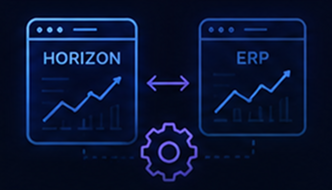
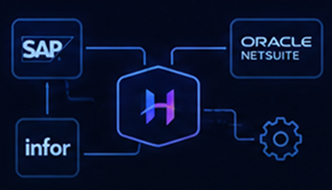
Integration to your ERP goes live. Pre-built connectors for SAP, NetSuite, D365, Infor activate in 1-2 days. AI-driven data transformation processes your 18-24 months of history, master data, BOMs, and routings. Configuration draft from the blueprinting tool gets finalized with your team in two working sessions.
Milestone:
First forecast generated on real data
Week 2
Validate and tune
Planning team reviews forecasts side-by-side with their existing process. Per-SKU model selection runs across the portfolio. Inventory optimization computes target stock and reorder points using multi-echelon math. Supply plan tests feasibility against capacity. Exceptions surface, configuration tunes.
Milestone:
All modules producing recommendations the planning team trusts
Week 3
Parallel run
Horizon runs alongside your existing process for one full cycle. Outputs compared, gaps investigated, final configuration adjustments made. Write-back to ERP tested and validated. Planning team trained on day-to-day operation.

Milestone:
Planning team operating Horizon independently
Week 4
Cutover
Horizon becomes the operational planning system. The first official forecast cycle runs in Horizon and publishes downstream to ERP, procurement, and production. The previous spreadsheet or legacy APS process retires. Customer success team available daily during the cutover week.
Milestone:
Live in production

Who does what

Your team
- Planning lead: ~0.3-0.5 FTE for the 4 weeks (mostly week 2 validation and week 3 parallel run)
- IT contact: 4-8 hours total for ERP credentials and integration access
- Operations stakeholders: one 60-minute session in week 1, ad-hoc questions after
- Executive sponsor: one decision call between week 3 and 4 for cutover go/no-go
Horizon team
- Solutions architect: continuous through the 4 weeks, owns configuration decisions
- Integration specialist: weeks 1-2 for connector setup and data validation
- Forecasting specialist: weeks 1-3 for model tuning and exception calibration
- Customer success: daily presence during cutover week, then transition to standard cadence

What's automated

The specific tasks that consume weeks in traditional implementations and run in the background here.

Master data cleansing
AI agents identify issues, your team approves fixes.
Demand history reconstruction
Outlier detection and stockout estimation, automatic.
Per-SKU model selection
Best model picked per SKU, no manual config.
SKU segmentation
ABC/XYZ on import, refreshed quarterly.
Process blueprinting
Conversational AI generates config draft.
Exception detection
Only 10–20% of SKUs flagged for review.
Integration mapping
Pre-built ERP connectors. 1–2 days, not weeks
Config recommendations
Initial values proposed by industry & profile.

Multiple modules. Same four weeks.

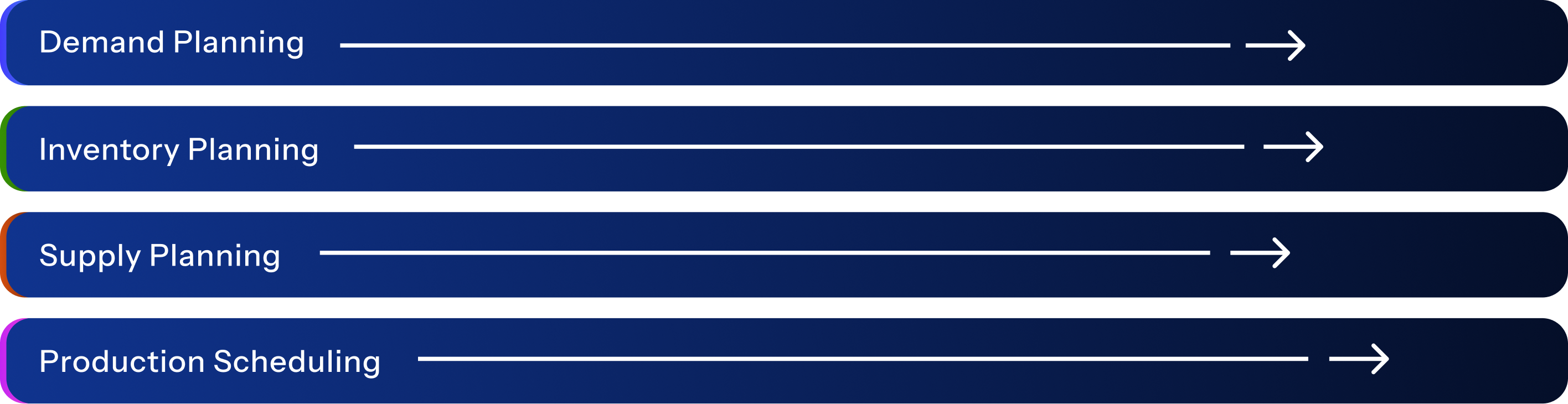
Demand planning, inventory optimization, supply planning, and production scheduling all deploy in parallel  not as four sequential projects. They share one data model, one integration, one configuration session per topic. The fourth week ends with every module live, not with module one going live and module two starting.
FAQ

Frequently Asked Questions

Find quick answers to the most common questions about our trading dashboard.

See what your 4 weeks would look like →

We'll send you the pre-onboarding questionnaire and walk through your specific environment in a 30-minute call. No commercial discussion required.

Contact Us